Altitude Impacts on Endurance in Elevated Soccer Matches and Equine Performance at Highland Tracks
Ines Günther · Aug 22, 2026
Altitude Impacts on Endurance in Elevated Soccer Matches and Equine Performance at Highland Tracks
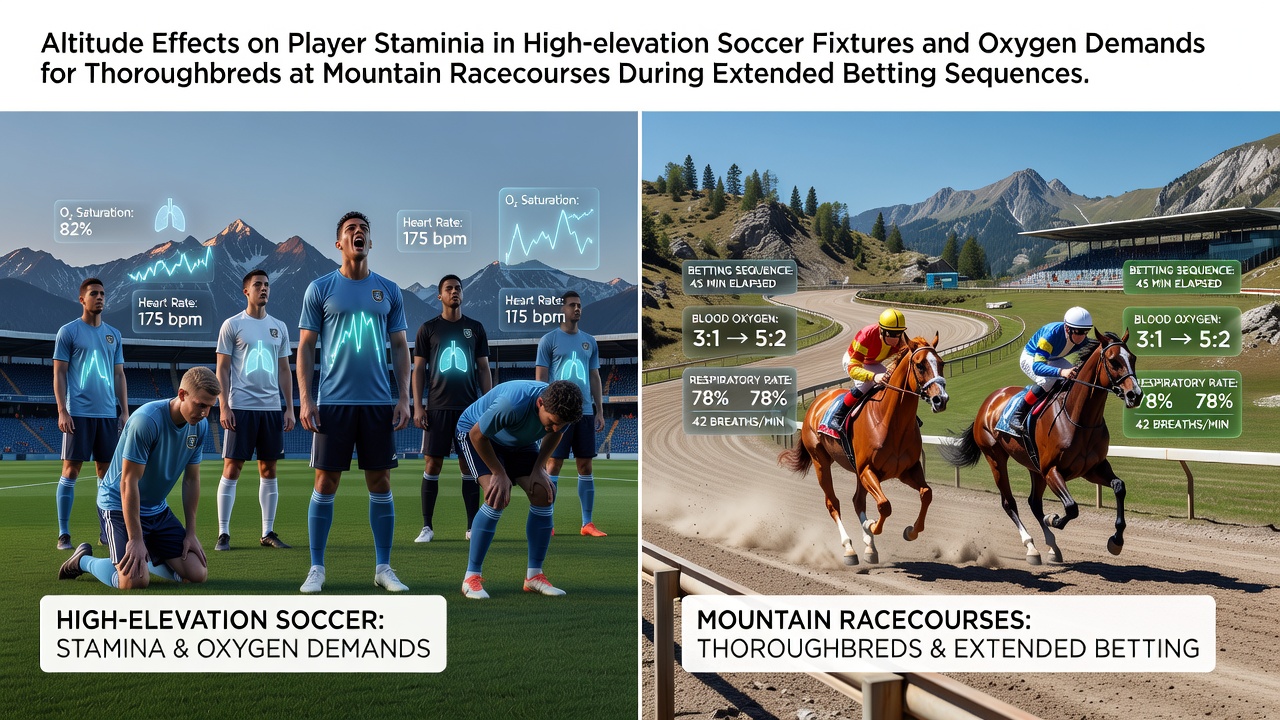
High-altitude venues create distinct physiological challenges for soccer players and thoroughbreds alike, where reduced oxygen availability alters stamina patterns across extended fixtures and race meetings, and data from multiple studies show measurable declines in aerobic capacity once elevations exceed 1,500 meters. Researchers tracking heart-rate recovery and blood-oxygen saturation note that athletes and horses must compensate through increased ventilation rates while muscle efficiency drops, which in turn shifts performance metrics that betting markets monitor closely during multi-week sequences in August 2026 when several South American and North American cards coincide.
Physiological Responses in Soccer at Elevation
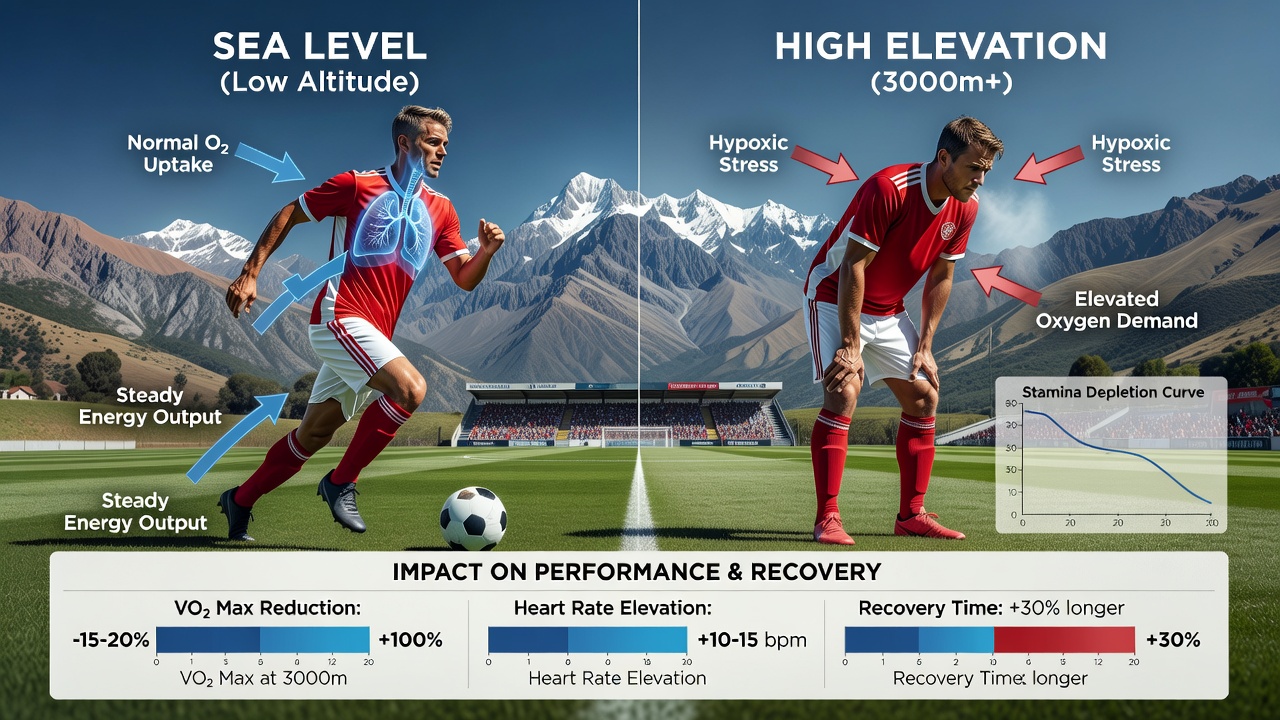
Players experience faster lactate accumulation and slower clearance when competing above 2,000 meters, according to measurements collected during Copa Libertadores fixtures in Quito and La Paz, while midfielders cover 8–12 percent fewer high-intensity meters in the second half compared with sea-level equivalents. Studies from the University of Colorado Sports Medicine Program indicate that hemoglobin concentrations rise within days of arrival yet full acclimatization requires two to three weeks, leaving visiting squads at a temporary disadvantage during congested August schedules. Teams that rotate personnel more frequently maintain higher average sprint outputs, whereas those relying on a fixed starting XI record steeper drops in distance covered after the 60-minute mark.
Adaptation Strategies Observed in Professional Leagues
Coaches in Bolivia’s Primera División schedule extra training sessions at intermediate altitudes before home games, allowing players to arrive with partially elevated red-blood-cell counts, and European clubs touring the region in 2026 have begun incorporating portable altitude tents during preseason camps. Match statistics compiled by CONMEBOL reveal that home sides win 62 percent of fixtures played above 2,500 meters when the visiting team arrives less than five days prior, whereas that advantage narrows once the away squad stays for ten days or longer. These patterns feed directly into pre-match models used by professional syndicates who adjust expected-goal projections for oxygen-related fatigue.
Oxygen Demands for Thoroughbreds at Mountain Racecourses
Thoroughbreds racing at tracks such as those in the Colorado Rockies or the Andes foothills face parallel constraints, with arterial oxygen saturation falling below 90 percent during gallops exceeding 800 meters, and studies published by the Australian Equine Research Institute document that peak heart rates climb 10–15 beats per minute higher than at sea level to maintain the same velocity. Trainers report that horses with prior exposure to 1,800-meter training centers recover faster between races, whereas unacclimatized runners show prolonged post-exercise respiratory rates that correlate with reduced placing frequency in extended betting cards spanning multiple days. Blood-lactate thresholds measured after mountain sprints indicate that staying types maintain speed longer than sprinters, a distinction handicappers incorporate when evaluating form lines from high-elevation meetings.
Performance Data and Extended Betting Sequences
Bookmakers and exchange operators adjust odds throughout August 2026 mountain meetings by factoring cumulative fatigue across consecutive race days, because horses running on day three of a festival exhibit 4–7 percent slower final-section times than their opening-day figures according to timing data released by the Colorado Horse Racing Commission. Similar adjustments appear in soccer markets when national-team windows force players to travel between low- and high-altitude venues within 72 hours, producing measurable drops in expected points for the second fixture. Observers tracking live exchange volumes note that liquidity concentrates on stamina-related props, such as total distance covered or late-race sectional splits, once participants recognize the altitude variable at play.
Monitoring Tools and Research Developments
Wearable pulse-oximeters and GPS units now supply real-time oxygen-saturation readings that veterinary teams and medical staff review between events, while longitudinal datasets from the European College of Sport Science link repeated altitude exposure to improved buffering capacity over a full season. These tools allow analysts to refine predictive algorithms that previously underestimated fatigue in back-to-back high-elevation assignments, resulting in tighter margins on accumulator products built around multiple mountain venues. Regulatory bodies in several jurisdictions require publication of environmental data including barometric pressure and temperature, which further informs model inputs used during extended sequences.
Conclusion
Altitude-induced changes in oxygen delivery reshape stamina profiles for both soccer players and thoroughbreds, producing measurable shifts in distance covered, recovery intervals, and final-section velocities that appear consistently across datasets collected at venues above 1,500 meters. Teams and trainers that implement structured acclimatization protocols narrow performance gaps, while markets that incorporate these physiological adjustments generate more precise pricing throughout multi-day or multi-week betting windows. Continued collection of saturation and lactate figures will refine the models that connect environmental conditions to on-field and on-track outcomes.