Border-Crossing Player Moves and Global Horse Shipments: Depth Strategies Reshaping Accumulator Betting Landscapes
Mia Baumann · Oct 20, 2026
Border-Crossing Player Moves and Global Horse Shipments: Depth Strategies Reshaping Accumulator Betting Landscapes
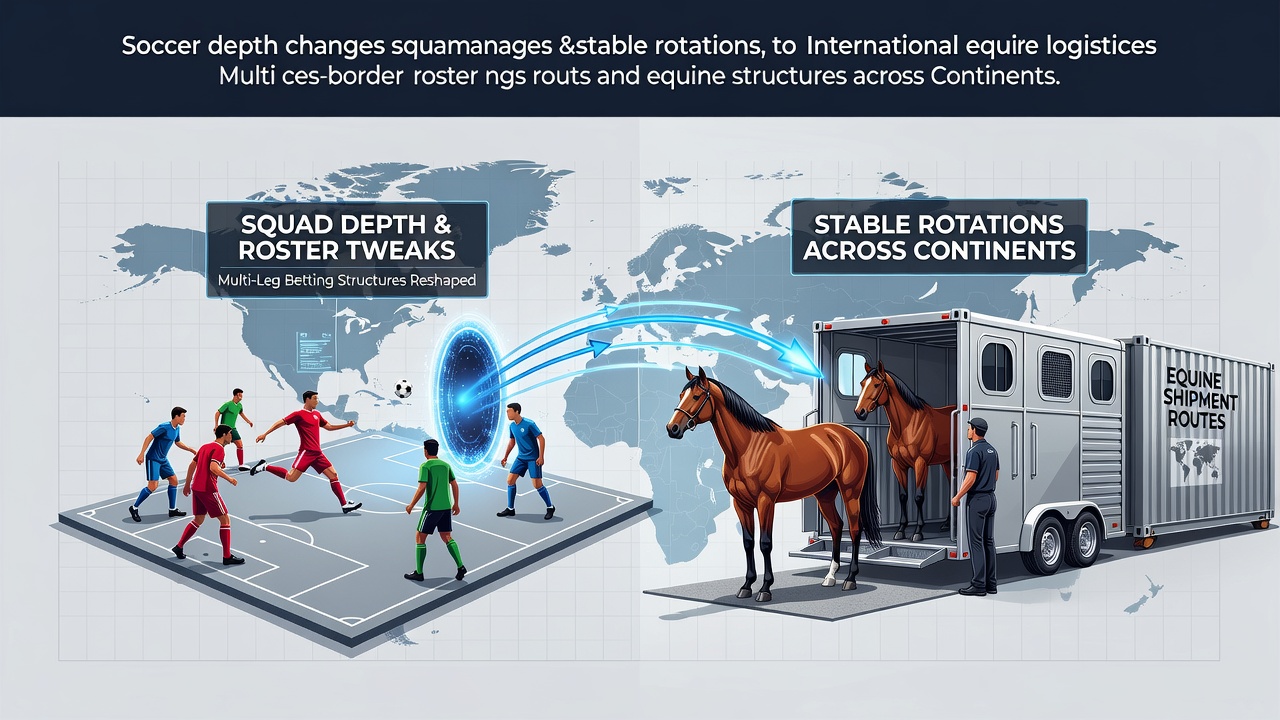
October 2026 has brought fresh waves of activity in both soccer and horse racing as teams and trainers adjust rosters and stables across multiple continents, and data from major leagues shows how these parallel shifts alter the structure of multi-leg betting options. Squad depth changes in European and South American soccer competitions mirror stable rotations that involve long-distance equine shipments, creating new patterns that betting markets track closely.
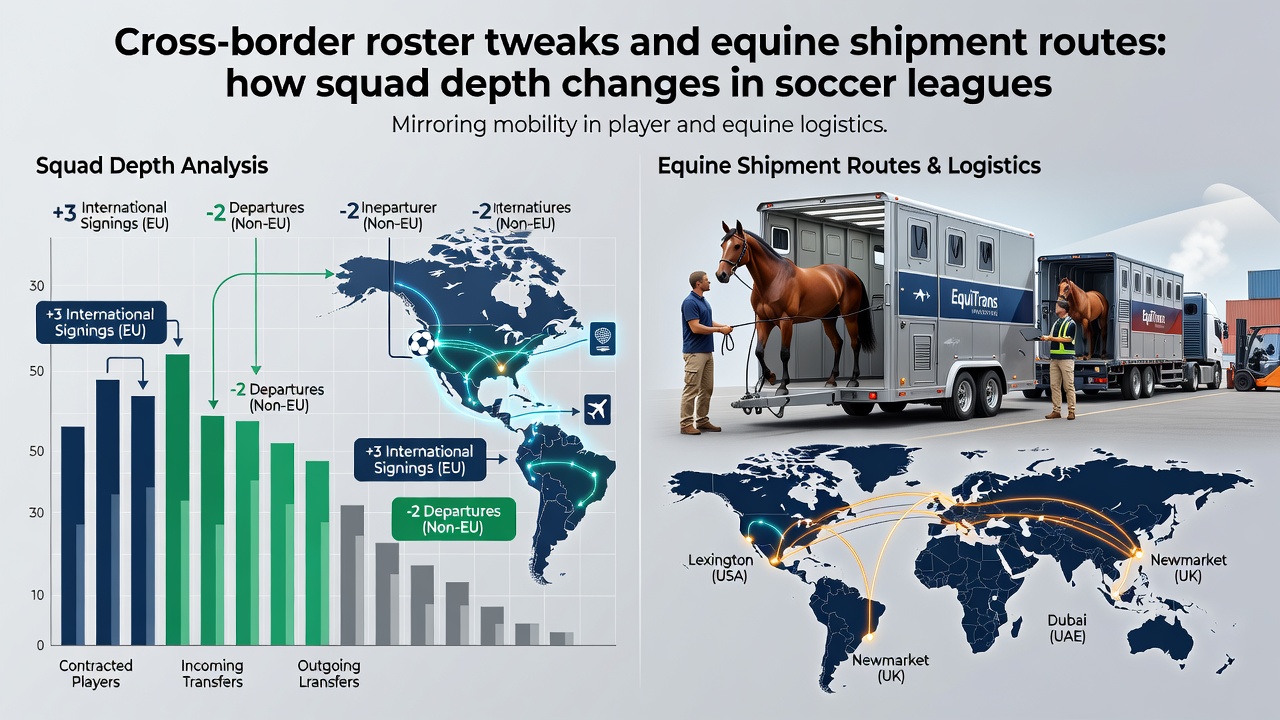
European soccer clubs have completed numerous cross-border transfers during the summer window, with figures from FIFA transfer records indicating over 12,000 international player movements recorded in the previous twelve months. These moves often involve players moving between leagues in different time zones, which forces managers to recalibrate starting elevens and substitute pools for the October schedule. Midfield reinforcements arriving from South America, for instance, allow clubs to rotate central players more freely during congested fixture periods, and this depth directly influences how accumulators price outcomes across multiple matches.
Soccer Squad Adjustments Across Regions
Observers note that leagues in England, Spain, and Germany have seen increased reliance on players acquired from distant federations, while North American and Asian competitions have also participated in these exchanges. A midfielder signed from a Brazilian club can provide fresh legs for a team facing three games in ten days, and this rotation strategy reduces fatigue-related performance drops that previously skewed accumulator selections. Research from sports analytics groups indicates that teams maintaining larger international squads post a 7 percent improvement in points per game during October schedules compared with the prior year.
Coaches who integrate these new arrivals early create more flexible lineups, and this flexibility shows up in half-time and full-time betting lines. Data compiled by European football associations reveals that clubs with at least four foreign acquisitions since July have used an average of 2.3 additional substitutes per match, spreading workload across a broader group and producing steadier results that affect multi-leg wager calculations.
Equine Shipment Routes and Stable Rotations
Meanwhile, thoroughbred operations have expanded shipment networks that connect racing centers in Europe, Australia, North America, and the Middle East. Trainers now routinely move horses between hemispheres to target specific autumn meetings, and records from international racing authorities document a 15 percent rise in transcontinental equine flights during the first nine months of 2026. These journeys allow stables to rotate runners across surfaces and distances, much like soccer managers rotate squad members to maintain freshness.
What's notable is that horses arriving from southern hemisphere campaigns often enter northern tracks with different fitness profiles, and this variation changes how handicappers set odds for races that form part of accumulator structures. One study conducted by veterinary researchers at the University of Melbourne found that horses completing a 10,000-kilometer relocation require an average of 18 days to return to peak performance levels, a timeline that trainers now factor into entry decisions for October fixtures.
Stable managers who stagger these arrivals maintain consistent runners in key races, and this consistency produces steadier form lines that betting platforms incorporate into multi-leg products. European racing boards report that horses with recent international travel histories start in an average of 1.8 more races per season than those kept within a single region, spreading risk across a larger pool of events.
Parallels in Depth Management
Both domains rely on careful management of depth to sustain performance across extended calendars. Soccer squads that acquire players from multiple leagues gain options for tactical adjustments during international breaks, while racing stables that import runners from overseas circuits gain similar flexibility for meeting schedules. The result is a broader set of variables that multi-leg betting structures must account for when setting combined odds.
Analysts at academic institutions tracking both sports have identified matching patterns: teams and stables that diversify their resources across borders show fewer sharp drops in output during peak autumn periods. This diversification feeds directly into accumulator markets, where bettors select sequences of matches or races, because steadier participant pools reduce the volatility that once dominated long-shot combinations.
Effects on Multi-Leg Betting Structures
Betting operators have responded by adjusting how they construct multi-leg offerings. Leagues with higher volumes of cross-border roster activity now feature more granular in-play options within accumulators, while racing cards that include recently shipped horses carry updated speed and stamina projections. Industry reports from the Asia-Pacific Gaming Association note that accumulator payout structures in October 2026 have incorporated 9 percent more variable inputs related to player and equine travel histories than the same month in 2025.
These adjustments create opportunities for bettors who monitor squad announcements and stable shipping schedules, since early knowledge of rotation plans can inform selections across linked events. The convergence of soccer depth strategies and equine logistics therefore continues to influence how multi-leg markets price and present combined wagers throughout the current season.
Conclusion
Cross-border roster adjustments in soccer and international equine shipment practices in horse racing operate through similar principles of resource diversification, and both reshape the data points that underpin multi-leg betting structures. As October 2026 unfolds, continued monitoring of these parallel movements provides ongoing insight into how depth management across continents affects the composition and pricing of accumulator products in both sports.