Decoding Altitude Variations That Alter Athletic Output in High-Elevation Soccer Venues Alongside Mountainous Racing Courses
Katja Werner · Aug 15, 2026
Decoding Altitude Variations That Alter Athletic Output in High-Elevation Soccer Venues Alongside Mountainous Racing Courses
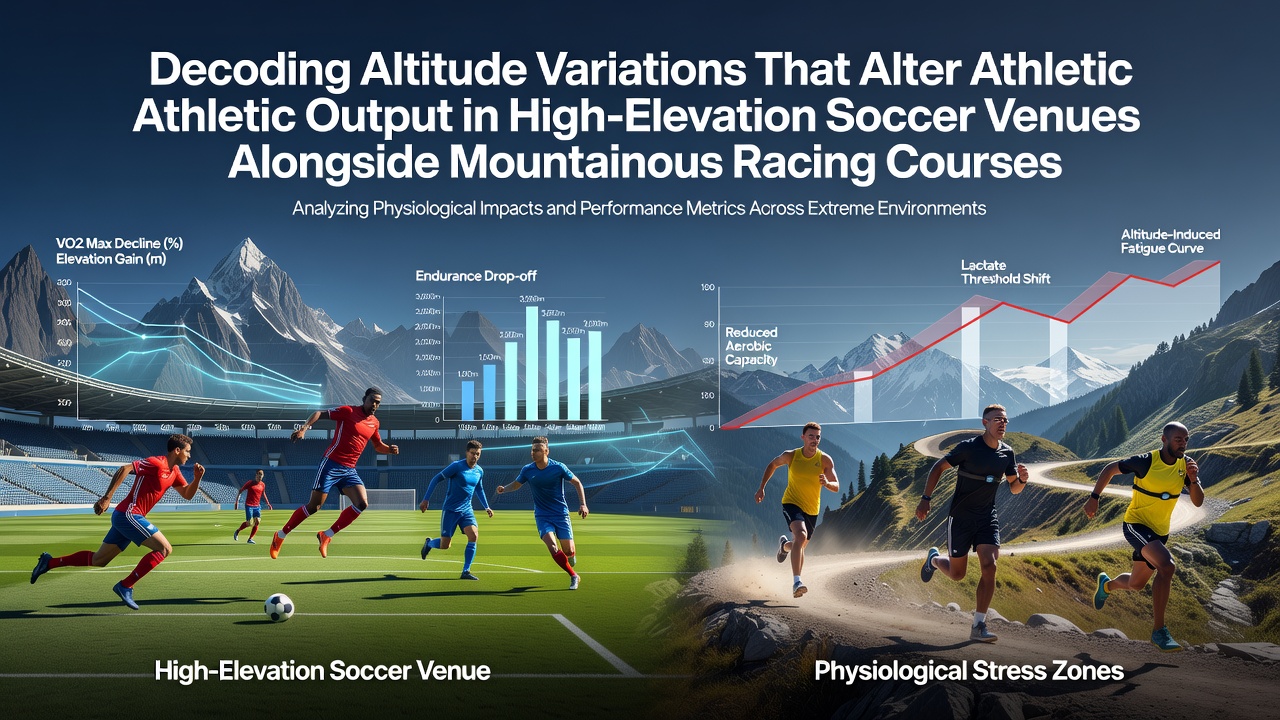
High-elevation soccer venues and mountainous racing courses create distinct physiological challenges that reshape athletic output through reduced oxygen availability and altered environmental conditions. Athletes competing above 2,000 meters often experience measurable declines in endurance and power output because partial pressure of oxygen drops significantly, which limits aerobic capacity while prompting compensatory adjustments in breathing and heart rate. Research from institutions such as the University of British Columbia highlights how these changes manifest differently across sports, with soccer players facing repeated sprint demands adn equine athletes contending with sustained efforts on steep gradients.
Physiological Mechanisms at Play
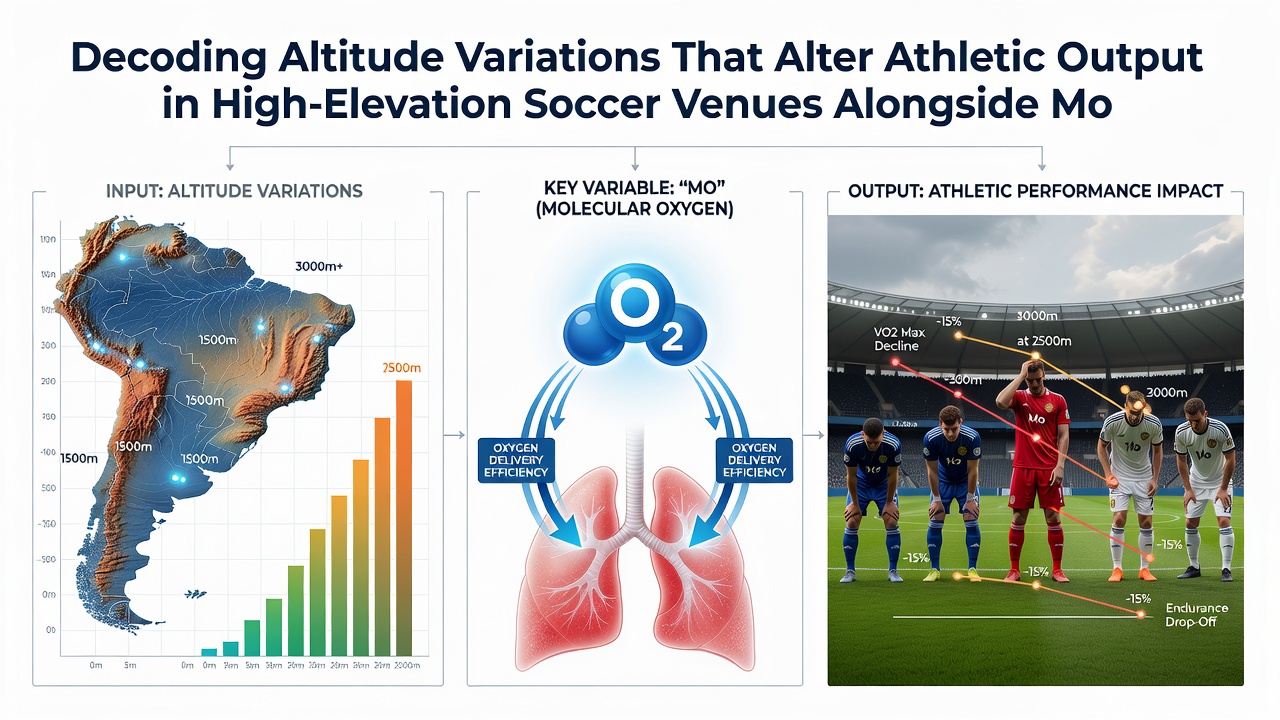
Lower air density at altitude reduces oxygen uptake, which forces the body to increase ventilation rates and elevate heart output to maintain energy production. Studies conducted by Canadian researchers indicate that maximal oxygen consumption can fall by 7 to 10 percent for every 1,000 meters gained, a pattern observed consistently in both human and equine subjects. Soccer players in venues like those situated in the Andes adapt through increased red blood cell production over time, yet acute exposure still leads to quicker fatigue during high-intensity phases of play. Horse racing on mountainous tracks adds another layer because animals must manage balance and propulsion on uneven terrain while their cardiovascular systems work harder against thinner air.
Impact on Soccer Performance Metrics
Data collected from matches in elevated South American stadiums reveal slower overall game tempos alongside reduced total distance covered by players in the second halves. Teams accustomed to sea-level conditions show pronounced drops in high-speed running metrics, whereas squads based at altitude demonstrate better retention of speed and decision-making accuracy. Observers note that recovery intervals between intense efforts lengthen noticeably above 2,500 meters, which alters tactical approaches and substitution patterns during league fixtures. August 2026 schedules include several high-profile encounters at these venues, where preparation protocols now incorporate targeted acclimatization periods lasting seven to ten days prior to arrival.
Adaptations Observed in Mountainous Horse Racing
Racing courses built into mountainous regions demand sustained power on climbs combined with controlled deceleration on descents, conditions that compound the aerobic strain already present from altitude. Veterinary analyses from European research centers show that horses experience elevated lactate accumulation during uphill sections, which affects stride length and overall finishing times compared with flat tracks at lower elevations. Jockeys and trainers adjust training regimens to include interval work at simulated altitude, allowing equine athletes to build tolerance before competing on courses in the Alps or similar ranges. Performance records indicate that certain bloodlines exhibit stronger responses to these environments, prompting selective breeding considerations within the industry.
Comparative Analysis Across Both Disciplines
Although soccer and horse racing differ in their movement patterns, both activities demonstrate parallel vulnerabilities to hypoxia at altitude. Soccer involves intermittent high-effort bursts separated by brief recoveries, while mountainous racing requires continuous output modulated by terrain changes. Figures from sports science reports compiled across North American and Australian cohorts reveal that acclimatization timelines range from two to three weeks for optimal adaptation, with partial benefits appearing after shorter exposures. Hydration strategies and nutritional adjustments become critical because fluid loss accelerates in dry, high-altitude air, affecting muscle function and cognitive processing during competition.
Preparation Strategies and Environmental Variables
Coaches and equine specialists implement staged exposure protocols that gradually increase training intensity at altitude to minimize acute mountain sickness risks. Monitoring tools track oxygen saturation levels alongside workload metrics, allowing real-time adjustments to session durations and recovery periods. Wind patterns and temperature fluctuations common in mountainous zones further influence outcomes because cooler air can enhance oxygen density slightly while gusts affect ball trajectory in soccer and balance in racing. Organizations such as the Australian Institute of Sport have published guidelines on managing these variables for traveling athletes and horses alike.
Long-Term Considerations for Scheduling and Training
League calendars and racing circuits increasingly account for altitude effects when planning fixtures, with away teams receiving extended preparation windows ahead of high-elevation contests. Longitudinal data gathered over multiple seasons indicate that repeated exposure builds resilience, yet individual variability remains high depending on genetic factors and prior experience. Facilities at these venues now incorporate specialized recovery centers equipped with oxygen enrichment systems to accelerate post-match or post-race restoration. Such measures support sustained performance across extended seasons that stretch into late summer months.
Conclusion
Altitude variations continue to shape outcomes in high-elevation soccer venues and mountainous racing courses through well-documented physiological pathways. Effective management relies on evidence-based acclimatization, environmental monitoring, and tailored training that address the unique demands of each discipline. As competitions evolve through 2026 and beyond, integration of scientific insights with practical preparation remains essential for maintaining competitive balance across these challenging settings.