Navigating Crowded Calendars: Recovery Insights from Congested Football Fixtures and Overlapping Horse Racing Events
Iris Friedrich · Jul 30, 2026
Navigating Crowded Calendars: Recovery Insights from Congested Football Fixtures and Overlapping Horse Racing Events
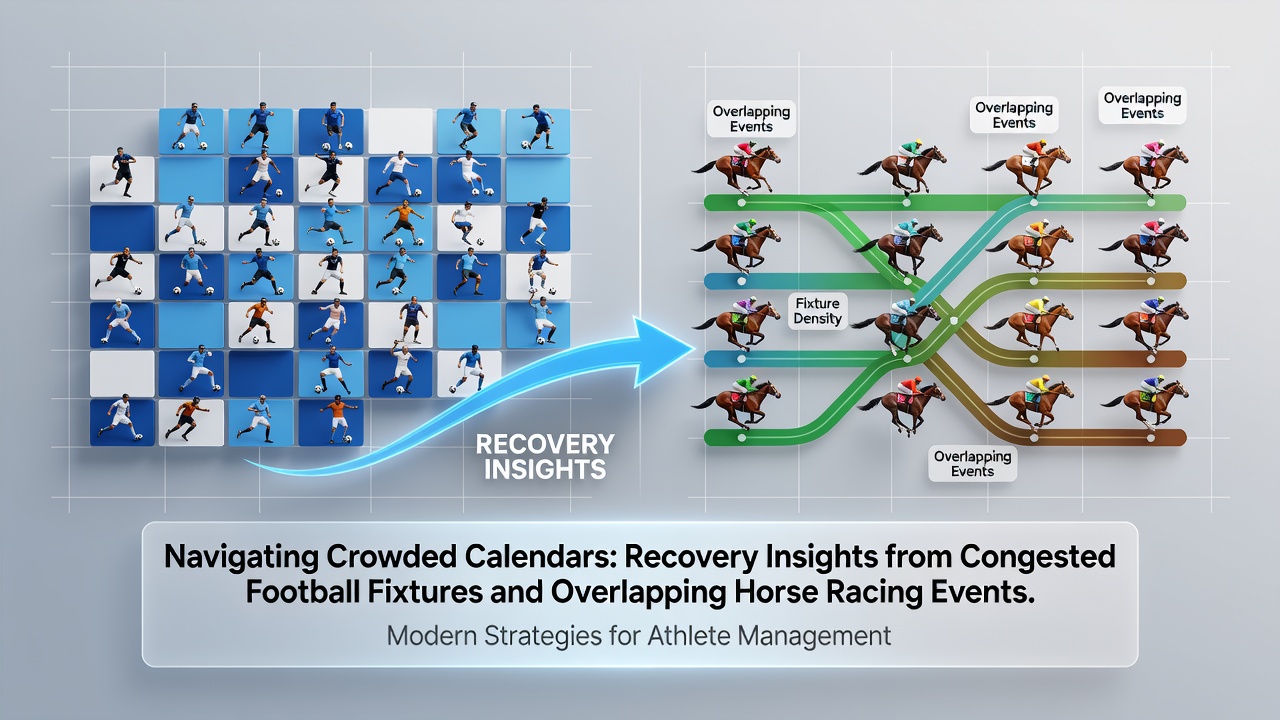
Football calendars pack multiple matches into short windows while horse racing circuits layer festival meetings across consecutive days, and both domains generate measurable data on how recovery protocols influence subsequent performance. Research from sports science teams shows that elite football squads averaging fewer than four days between fixtures experience elevated injury rates, particularly in muscle groups stressed during high-intensity runs, whereas thoroughbreds racing on back-to-back weekends display shifts in stride efficiency tracked through GPS and timing equipment.
Football Fixture Congestion Patterns
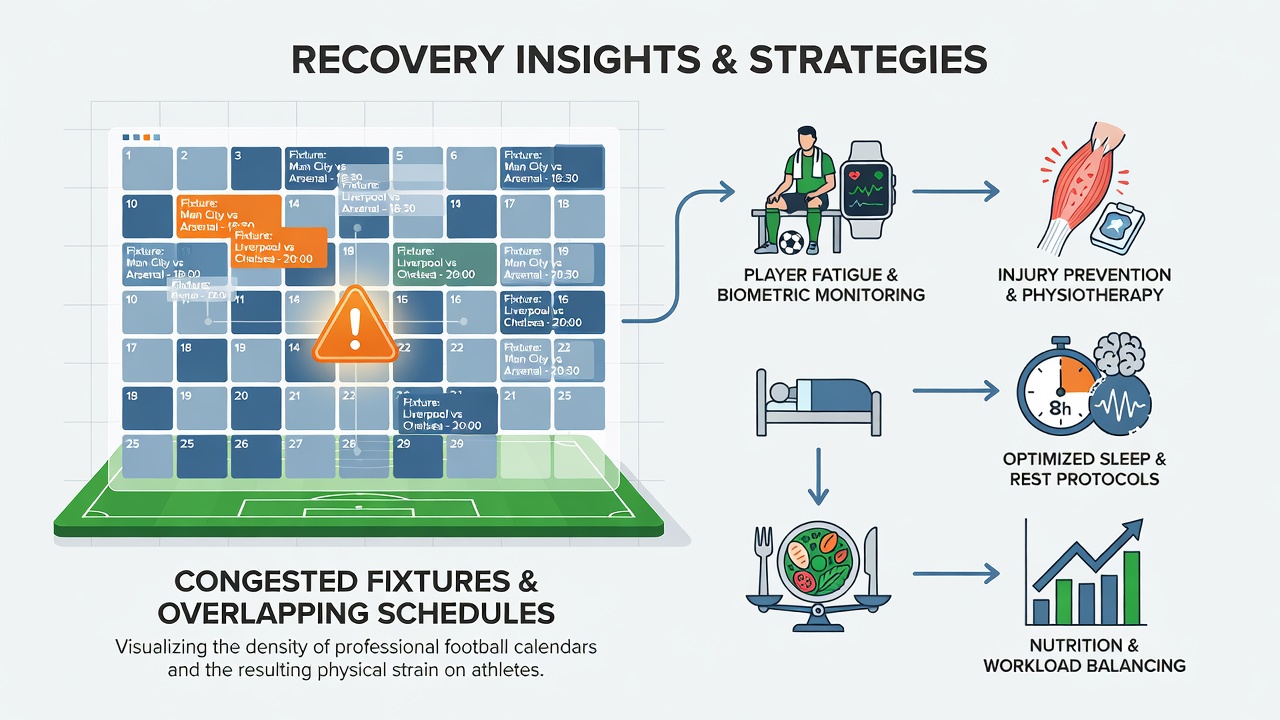
European leagues schedule blocks of three matches inside eight days during winter months, and governing bodies such as UEFA publish fixture lists that reveal repeated instances where clubs contest domestic cups alongside continental ties. Performance analysts track metrics including total distance covered, high-speed sprints, and post-match lactate clearance, and these figures indicate that squads rotating fewer than two players across such clusters post lower win percentages in the fourth and fifth games. Medical staff implement protocols involving cryotherapy chambers, individualized nutrition timing, and sleep monitoring devices to accelerate muscle repair, yet data collected across multiple seasons demonstrates that even optimized schedules leave residual fatigue detectable up to seventy-two hours later.
Horse Racing Overlap Dynamics
Racing authorities coordinate calendars so that major meetings at venues like Ascot, Flemington, and Churchill Downs sometimes fall within forty-eight hours of one another, forcing trainers to decide between shipping runners or resting them for later targets. Veterinary records and racecourse timing systems show that horses competing on consecutive weekends exhibit changes in recovery heart-rate profiles and post-race stride length, with longer-distance performers requiring extended intervals between starts. Handlers adjust workloads by alternating gallops with swimming sessions and targeted physiotherapy, and longitudinal studies compiled by racing research centers document how these interventions correlate with maintained placing percentages when gaps between races exceed ten days.
Intersecting Schedules and Shared Recovery Principles
July 2026 features pre-season football tours overlapping with mid-year racing festivals in both hemispheres, creating parallel demands on support personnel who move between stadiums and tracks. Conditioning coaches note that core recovery modalities such as active recovery walks, compression therapy, and monitored hydration apply across both codes even though the athletes differ in physiology. Data sets from sports medicine conferences highlight how football players returning from international duty and racehorses shipping across time zones share similar markers of travel-related fatigue, prompting cross-disciplinary exchanges on jet-lag mitigation and circadian adjustment.
Industry reports from the Australian Institute of Sport and the European College of Sport Science detail standardized testing batteries that measure neuromuscular readiness after congested periods, and these assessments reveal consistent patterns: athletes and equine athletes both benefit from graded reintroduction to high-intensity work rather than abrupt return to full schedules. Clubs and stables that publish anonymized recovery logs demonstrate that structured deload weeks following peak fixture density reduce subsequent downtime, although exact percentages vary by individual workload history and environmental conditions.
Performance Metrics Across Congested Periods
Statistical services tracking football matches record drops in expected goals created during the latter stages of congested blocks, while racing databases log reduced top-speed figures in horses entered shortly after long-distance efforts. Observers note that both sports rely on wearable technology to flag early signs of overexertion, allowing adjustments before performance declines become statistically significant. Comparative analyses published in peer-reviewed journals indicate that teams and trainers who integrate multi-day recovery windows into annual plans maintain higher consistency across entire campaigns, whereas those compressing preparation phases encounter elevated variance in outcomes.
Regulatory frameworks in multiple jurisdictions require minimum rest intervals for racehorses, and parallel discussions within football leagues explore similar caps on match exposure for younger players. These policies draw from epidemiological studies linking fixture density to soft-tissue injuries, and the resulting guidelines shape how calendars are finalized each season. Trainers and coaches apply lessons from one domain to the other through shared conferences, where presentations on equine muscle biopsy results sit alongside football-specific MRI follow-ups to illustrate common repair timelines.
Conclusion
Crowded calendars in football and horse racing produce overlapping demands on recovery systems, and quantitative tracking across both sports supplies evidence that structured rest, targeted interventions, and individualized monitoring improve return-to-performance timelines. Data accumulated through 2026 continues to refine these approaches, showing that proactive calendar management and cross-code knowledge exchange support sustained output even when fixtures cluster tightly.