Time Zone Dynamics Drive Betting Surges in Global Soccer and Racing Markets
Mia Baumann · Aug 18, 2026
Time Zone Dynamics Drive Betting Surges in Global Soccer and Racing Markets
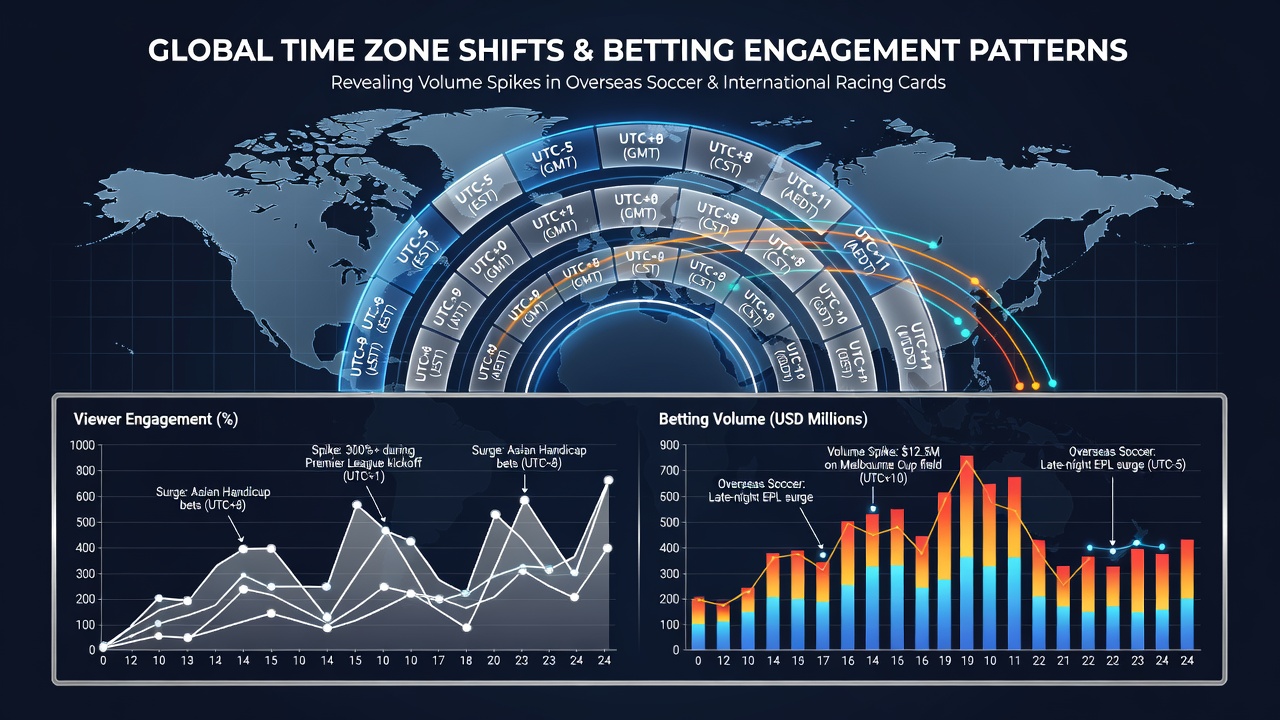
Time zone differences create distinct windows where audiences in one region tune into live soccer matches and racing cards scheduled in distant time zones, and those viewing patterns align with measurable increases in betting activity during the overlapping hours.
Mapping Global Time Zone Overlaps
Viewers in North America often follow European soccer leagues that kick off in the early afternoon local time, while audiences in Asia and Australia engage with matches from the Americas that start during their evening hours, and these staggered schedules produce synchronized spikes in platform traffic according to data compiled by regional broadcasting authorities. Observers note that racing events from the Middle East and Europe frequently draw interest from North American bettors during overnight sessions, creating parallel engagement curves that researchers track through timestamped transaction logs.
Viewer Engagement Patterns Across Regions
Studies from academic institutions show that engagement peaks occur when events air between 8 PM and 2 AM in the viewer's local time zone, because that window allows working adults to participate without conflicting with standard business hours, and similar patterns appear in both soccer and thoroughbred racing coverage. Data from multiple streaming services indicate that simultaneous viewing of overseas soccer fixtures and international racing cards rises by measurable percentages during these periods, with mobile app sessions extending longer when multiple events overlap across time zones. Researchers at the University of Sydney have documented how audiences in Oceania increase interaction rates with European Premier League broadcasts that begin around midnight local time, while North American users show elevated participation in Asian racing festivals that run through their morning commute windows.
Betting Volume Spikes Tied to Live Events
Transaction records reveal that betting volumes on overseas soccer games climb sharply once matches enter the second half, coinciding with peak viewer counts in distant markets, and the same timing applies to international racing cards where late-race betting surges during final furlongs that occur at convenient hours for overseas participants. Figures from the Canadian Centre on Substance Use and Addiction highlight how cross-border interest in Australian and Japanese racing meets generates concentrated activity between 10 PM and 4 AM Eastern Time, and comparable data sets from European regulators track soccer match betting that accelerates during evening fixtures viewed from the western hemisphere. Those who monitor platform analytics observe that single-account betting frequency rises when users follow multiple live streams from different continents, because time zone alignment allows continuous engagement without extended gaps between events.
August 2026 Patterns in International Markets
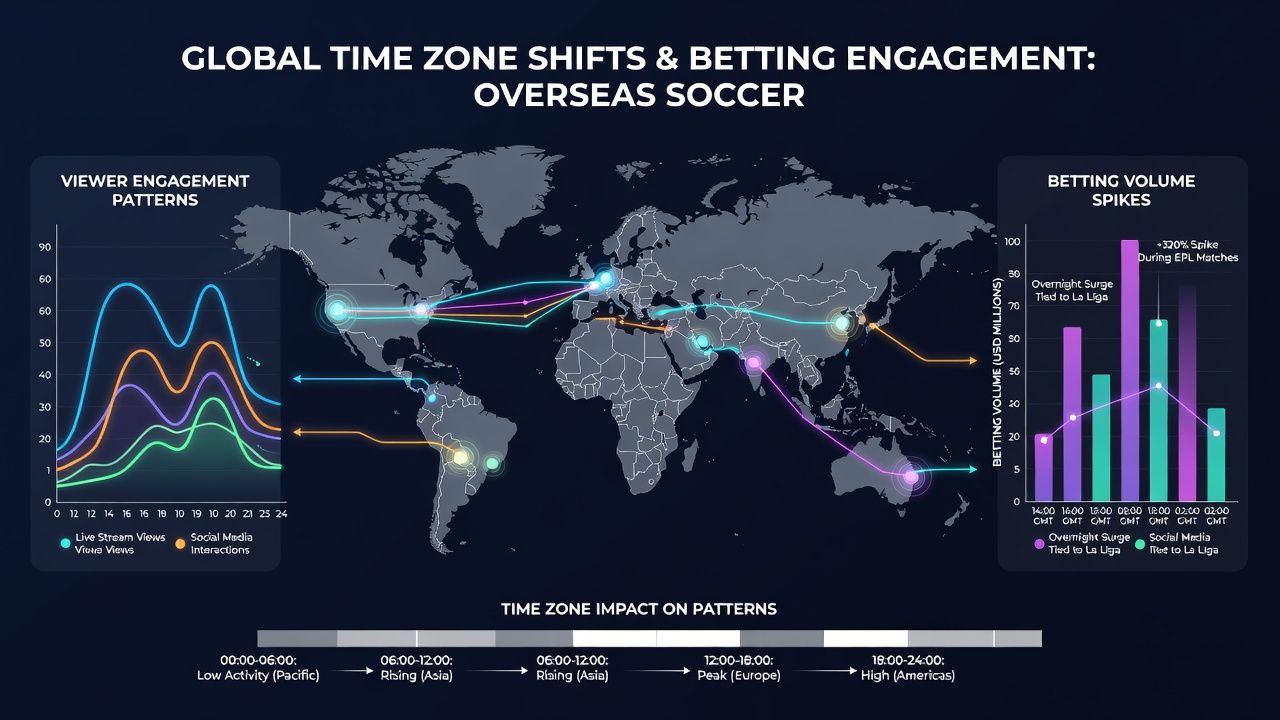
During August 2026, preliminary season soccer fixtures from European leagues overlapped with major racing festivals in Australia and Hong Kong, and records show that betting activity from North American users increased notably during the 11 PM to 3 AM window when both soccer second halves and racing final stretches occurred simultaneously. Regulatory reports compiled by authorities in multiple jurisdictions document these overlaps producing sustained traffic on licensed platforms, with soccer accumulator bets placed alongside racing exotic wagers rising in tandem as audiences maintained dual-screen viewing setups. Analysts tracking these trends note that the pattern repeated across several midweek dates when time zone alignments created extended live coverage blocks without significant downtime between events.
Regional Variations in Engagement and Activity
Audiences in Western Europe demonstrate higher engagement with South American soccer matches that begin in the late evening local time, whereas bettors in Southeast Asia show consistent participation in North American racing meets scheduled during their afternoon hours, and these regional preferences create predictable volume curves that operators monitor through geographic traffic segmentation. Evidence from industry reports indicates that mobile betting sessions extend by average durations of 45 to 90 minutes when events from separate continents run concurrently, and the same data sets reveal that desktop usage dominates during standard business hours while mobile platforms capture the majority of overnight activity. Those who study these markets find that time zone shifts also influence the types of bets placed, with live in-play wagers increasing when matches or races enter decisive phases at viewer-friendly hours.
Conclusion
Time zone alignments continue to shape how global audiences interact with overseas soccer games and international racing cards, and the resulting engagement patterns produce measurable betting volume increases that researchers and regulators track across multiple jurisdictions. These dynamics remain consistent through seasonal scheduling variations, including those observed during August 2026, where overlapping live coverage windows drive sustained platform activity. Data from diverse sources confirm that viewer timing preferences directly correlate with transaction spikes, providing clear indicators for those monitoring international betting markets.